The five pieces of gear that matter, the order to buy them in, and where to put everything in a small room.
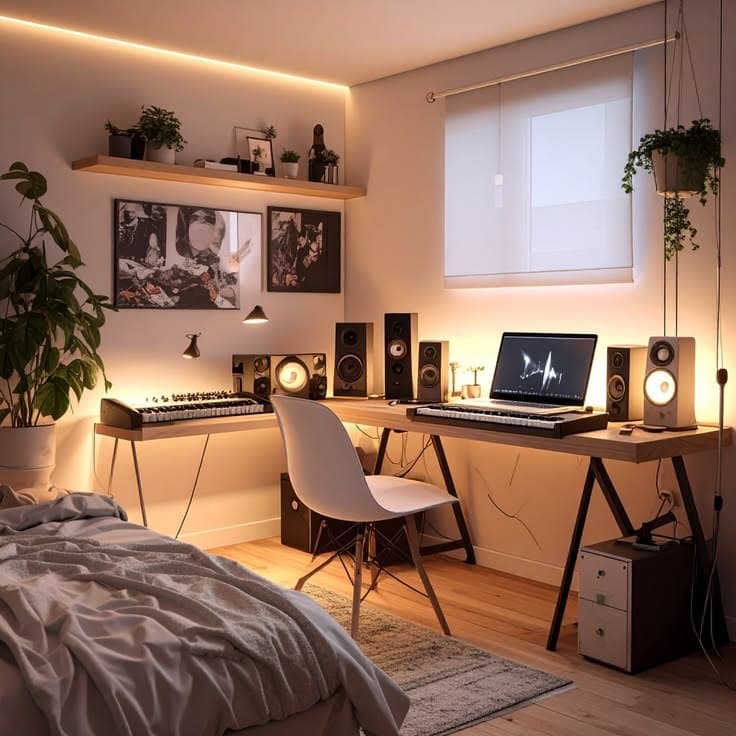
A bedroom studio does not need to look like the photos on Pinterest to make good records. It needs five things, bought in the right order.
1. An audio interface
The interface connects microphones and instruments to your computer and powers your headphones and speakers. A two-input model is enough for one singer and a guitar.
Focusrite Scarlett 2i2
Two inputs for a mic and a guitar at the same time, with phantom power and headphone monitoring. Connects over USB.
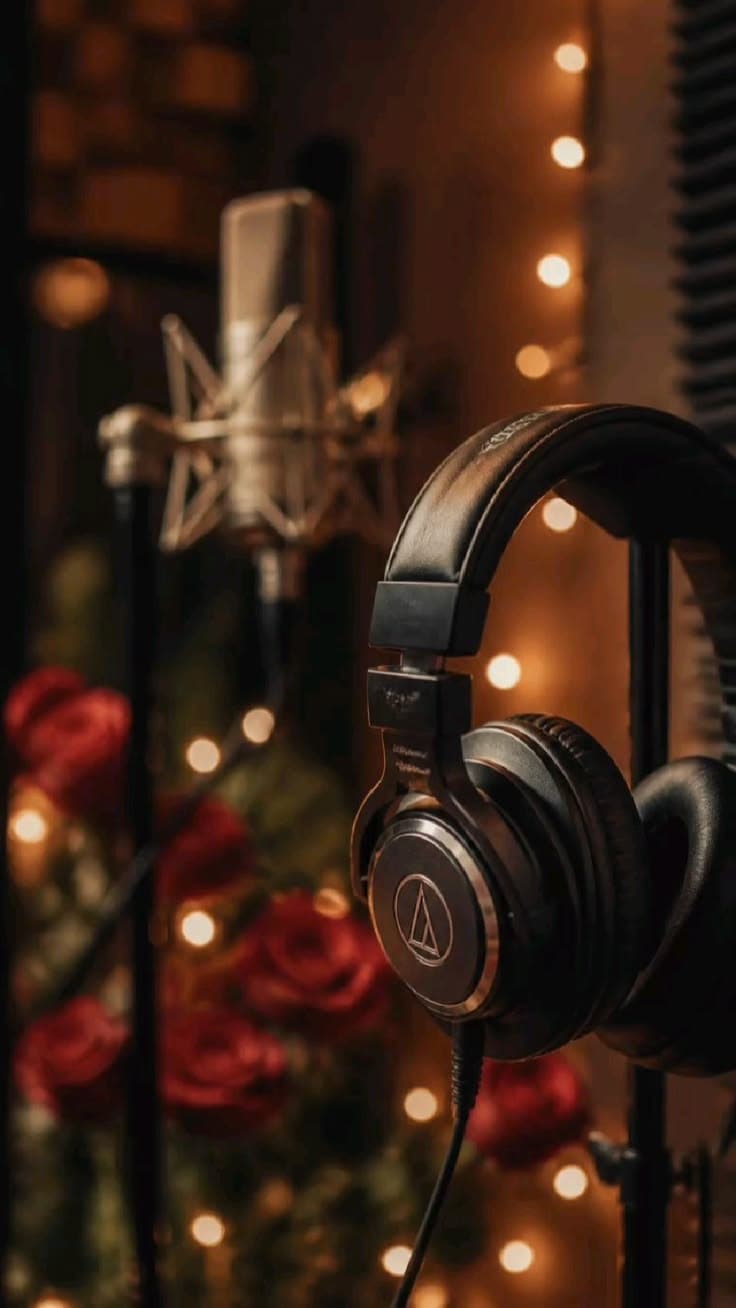
2. Closed-back headphones
Before speakers, buy headphones. You need them to record without the backing track bleeding into the mic, and they let you work late without bothering anyone.
3. A microphone
For vocals in a quiet room, a cardioid condenser is the usual choice. In a noisy or echoey room, a dynamic mic picks up less of it.
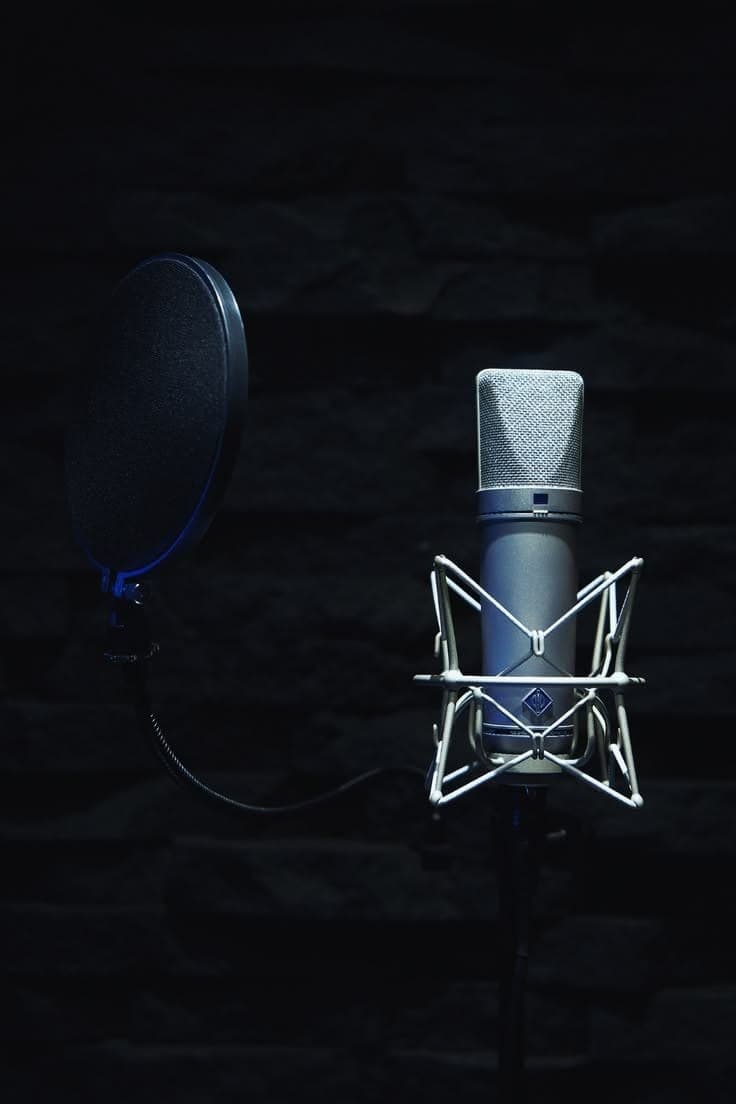
Audio-Technica AT2020
A cardioid condenser microphone that has been a home-studio staple for years. Needs an interface with 48V phantom power.
4. Studio monitors
Speakers designed for mixing sound flatter than hi-fi speakers, so your mixes translate to other systems. In a small room, five-inch monitors are plenty.
5. A MIDI keyboard
If you make beats or write on keys, a small MIDI controller lets you play every instrument in your DAW.
Where to put it all
- Set the desk on the short wall, facing the long side of the room.
- Put the monitors at ear height, forming a triangle with your head.
- Soft things help: a rug, curtains and a full bookshelf all reduce echo before you spend money on panels.
What I would use for this
Yamaha HS5
Five-inch powered studio monitors with a flat, honest sound, sized for small rooms. Sold individually, so you need two.
Affiliate links: I may earn a commission at no extra cost to you. Disclosure