Condenser or dynamic, USB or XLR: how to pick the right first mic for your voice and your room.

The best first microphone depends less on price than on your room. Answer two questions and the choice gets easy.
Question 1: how quiet and dead is your room?
Clap once. If you hear a ring or echo, or if there is traffic and fan noise, a dynamic microphone is the safer choice. It picks up mostly what is right in front of it.
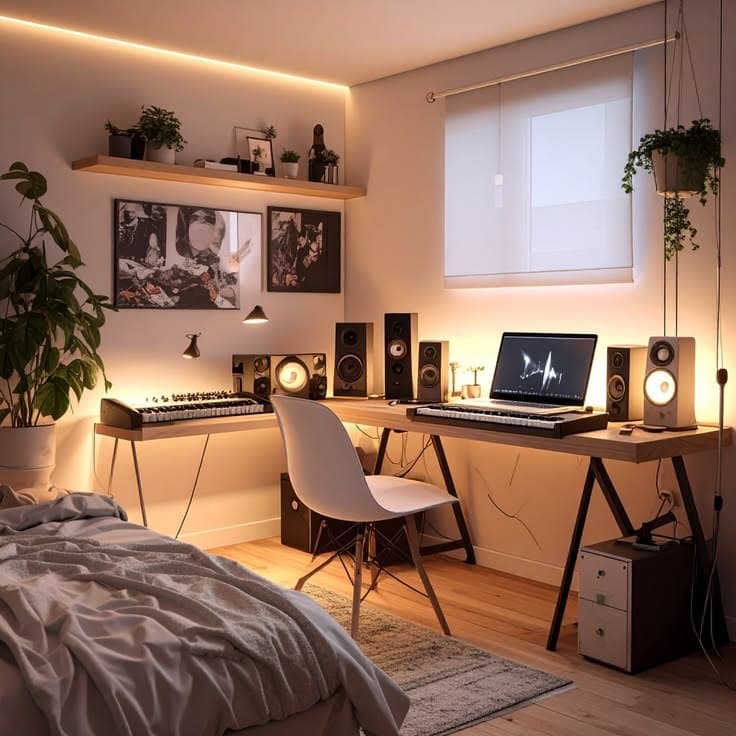
If the room is quiet and soft (carpet, curtains, a bed), a condenser microphone will capture more detail and air in your voice.
Question 2: USB or XLR?
USB microphones plug straight into a computer and are simple for podcasts and demos. XLR microphones need an audio interface, but you can upgrade the mic and the interface separately as you grow. For music, XLR is usually the better long-term choice.
Positioning matters more than price
- Sing about a hand’s width from the mic.
- Use a pop filter for condensers.
- Record a test, move a little, record again. The difference between positions is often bigger than the difference between mics.
What I would use for this
Shure SM58
A dynamic microphone that forgives untreated rooms and loud singers. No phantom power needed.
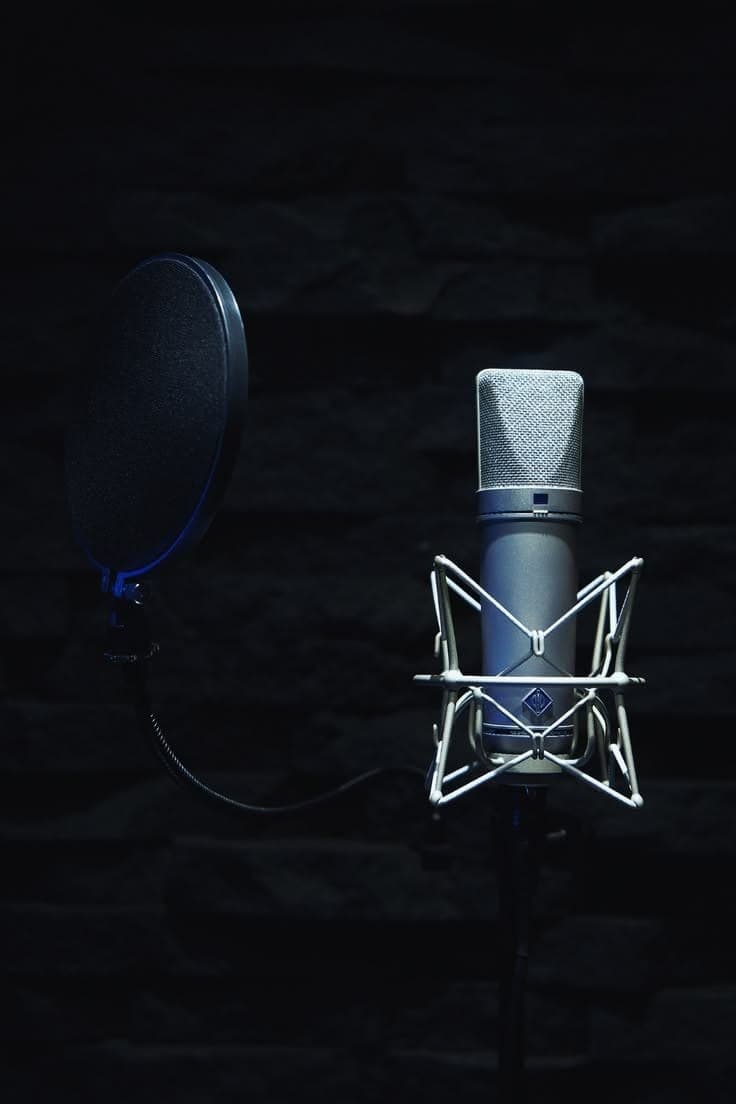
Audio-Technica AT2020
A cardioid condenser microphone that has been a home-studio staple for years. Needs an interface with 48V phantom power.
Affiliate links: I may earn a commission at no extra cost to you. Disclosure